Official Resource
Nexus Market Link
Your complete guide to accessing one of the leading darknet marketplaces. Find verified onion URLs, security guides, and step-by-step instructions for safe browsing.
Official Onion Link
nexusaldu7wwewcpcn4reptcp72rsaeogolfvjncafua2oywwswwyaqd.onion
About
What is Nexus Market?
Understanding the platform before you access it
Nexus Market stands as one of the most recognized darknet marketplaces currently operating on the Tor network. The platform launched with a distinctive cyberpunk aesthetic that sets it apart from traditional darknet markets. Purple and pink accent colors combined with a modern interface design create an experience that feels more like a legitimate e-commerce site than a hidden service.
What makes this marketplace different from competitors? The answer lies in its approach to user experience. Many darknet platforms prioritize functionality over design. This one takes the opposite approach. Every element has been crafted to reduce friction and make navigation intuitive. New users can find their way around within minutes rather than hours.
The platform supports three major cryptocurrencies. Bitcoin remains the most popular choice due to its widespread availability. Monero attracts users who prioritize transaction privacy above all else. Litecoin offers faster confirmation times for those who value speed. Each payment method has its place depending on individual circumstances and preferences.
Security features on this marketplace go beyond the basics. Two-factor authentication protects accounts from unauthorized access. PGP encryption keeps communications private between parties. The escrow system holds funds until both buyer and seller complete their obligations. These layers work together to create a safer trading environment.
The vendor verification process ensures quality and accountability. Sellers must meet specific requirements before listing products. Bond payments create financial incentive for honest behavior. Rating systems help buyers identify reliable sellers based on past performance. This ecosystem of checks and balances reduces risk for everyone involved.
Features
Platform Capabilities
Core features that define the marketplace experience
Advanced Security
Multiple authentication layers protect your account. Two-factor authentication adds time-sensitive codes to logins. PGP encryption secures all sensitive communications. Session management prevents unauthorized access.
Multi-Currency Support
Choose your preferred payment method. Bitcoin for accessibility. Monero for privacy. Litecoin for speed. Each cryptocurrency serves different user needs and preferences.
Escrow Protection
Funds stay protected until transactions complete. The escrow system holds payments securely. Releases happen only after confirmation. Disputes get resolved through moderation.
Verified Vendors
Every seller undergoes verification. Bond requirements ensure commitment. Rating systems show track records. Reviews help identify quality sellers.
Modern Interface
Cyberpunk-inspired design meets functionality. Dark theme reduces eye strain. Responsive layout works on all devices. Navigation feels natural and intuitive.
Community Forums
Connect with other users through integrated forums. Share experiences and ask questions. Stay updated on announcements. Build knowledge through community interaction.
Guide
How to Access the Platform
Follow these steps for safe and successful connection
Download Tor Browser
Start by downloading Tor Browser from the official source at torproject.org. This browser routes your connection through multiple relays to protect your identity. Never download Tor from unofficial sources as they may contain malware.
Install the browser following standard procedures for your operating system. Windows, macOS, and Linux all have dedicated versions. The installation process takes just a few minutes on most systems.
Copy the Onion Link
Obtain the official onion URL from a trusted source. This page provides verified links that have been checked for authenticity. Copy the complete address including the .onion extension. Make sure you have the entire string without any missing characters.
Bookmark the link once you verify it works. This prevents the need to search for it each time you want to access the platform. Store backups of mirror links in case the primary address becomes unavailable.
Connect Through Tor
Launch Tor Browser and wait for it to establish a connection. The browser will connect to the Tor network automatically. A progress indicator shows when the connection is ready. Paste the onion link into the address bar once connected.
Initial page loads may take longer than regular websites. This is normal for onion services. The page should load within thirty seconds under normal network conditions. If loading takes longer, try refreshing or using a mirror link.
Register Your Account
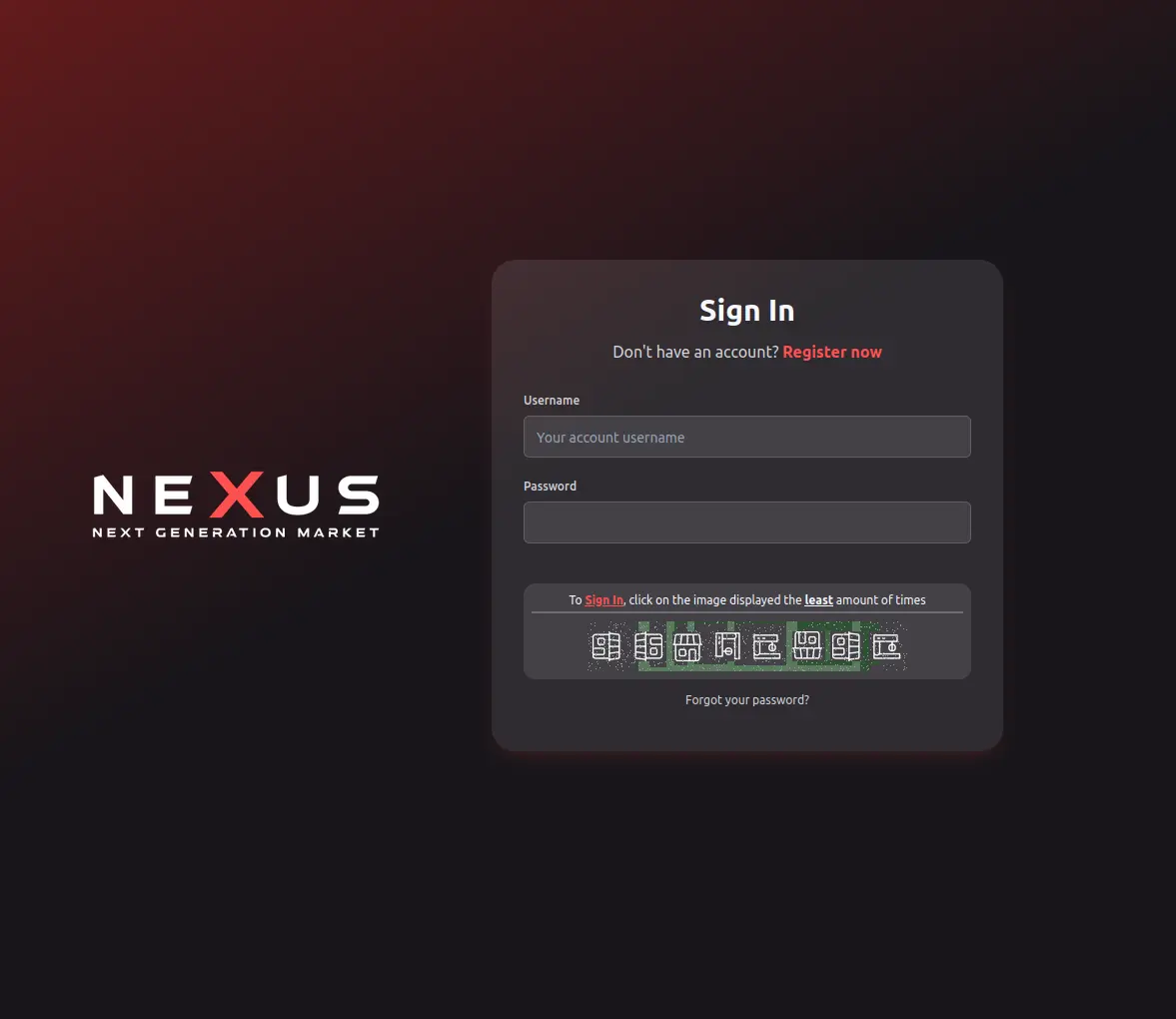
Create your account using the registration form. Choose a username that does not reveal your identity. Select a strong password with mixed characters, numbers, and symbols. Never reuse passwords from other sites or services.
Enable two-factor authentication immediately after registration. This adds a critical security layer. Generate your 2FA codes using an app like Aegis or similar authenticator. Write down backup codes and store them securely offline.
Security
Protecting Your Activity
Essential practices for safe platform usage
Two-Factor Authentication
Enable 2FA immediately after creating your account. This feature adds time-sensitive codes to your login process. Even if someone obtains your password, they cannot access your account without the current code. Use a dedicated authenticator app rather than SMS-based verification. Apps like Aegis provide better security and work without internet connectivity.
PGP Encryption
Learn to use PGP for sensitive communications. Generate a keypair using software like Kleopatra or GPG. Share your public key on your profile. Encrypt messages containing addresses or personal details. Decrypt incoming messages from vendors using your private key. This encryption ensures that only the intended recipient can read your messages.
Link Verification
Always verify onion links before entering credentials. Phishing sites mimic the real platform to steal login information. Check the URL character by character against known good links. Use PGP-signed mirrors when available. Bookmark verified links to avoid searching each time. Never click links from untrusted sources or messages.
Operational Security
Practice good operational security habits. Never use your real name or identifying information. Create separate email addresses for registration. Avoid discussing activities outside the platform. Use different usernames than you use elsewhere. Consider using Tails OS for maximum anonymity when accessing darknet services.
Cryptocurrency Security
Protect your cryptocurrency wallets and transactions. Use wallets that you control rather than exchange accounts. Consider coin mixing services for Bitcoin transactions. Monero provides built-in privacy features that eliminate the need for mixing. Never store large amounts on the platform itself. Withdraw funds after transactions complete.
Payments
Supported Cryptocurrencies
Choose the payment method that fits your needs
Bitcoin
Bitcoin remains the most widely accepted cryptocurrency on darknet platforms. Its availability on exchanges makes acquisition straightforward for new users. Transaction fees vary with network congestion but remain reasonable for most purchases.
Keep in mind that Bitcoin transactions appear on a public blockchain. Sophisticated analysis can potentially trace transactions back to their source. Consider using mixing services or converting to Monero for better privacy when needed.
Monero
Monero offers privacy features that Bitcoin cannot match. Ring signatures obscure transaction origins. Stealth addresses hide recipients. Amount obfuscation conceals transfer values. These features make Monero the preferred choice for privacy-conscious users.
Obtaining Monero requires extra steps compared to Bitcoin. Some exchanges offer direct purchases while others require conversion from Bitcoin. The additional effort pays off in substantially improved transaction privacy.
Litecoin
Litecoin provides faster confirmation times than Bitcoin. Blocks generate every 2.5 minutes compared to Bitcoin's ten minutes. This speed advantage means deposits become available more quickly. Lower fees make smaller transactions more economical.
Like Bitcoin, Litecoin uses a transparent blockchain. Transactions are publicly visible and traceable. Choose Litecoin when speed matters more than privacy. Use Monero when privacy is the primary concern.
Live Cryptocurrency Prices
Prices update automatically. Data provided by CoinGecko.
FAQ
Common Questions
Quick answers to frequently asked questions
Yes, you need Tor Browser to access any .onion address. Download it from torproject.org only. Regular browsers like Chrome or Firefox cannot connect to onion services. The Tor network provides anonymity by routing your connection through multiple relays around the world.
Basic registration completes in under five minutes. You need to create a username, set a password, and solve a captcha. Setting up two-factor authentication adds another few minutes. The entire process from opening the registration page to having a fully secured account takes roughly ten to fifteen minutes.
The choice depends on your priorities. Bitcoin is easiest to obtain and widely accepted. Monero provides superior privacy through built-in transaction obfuscation. Litecoin offers faster confirmations and lower fees. Many experienced users prefer Monero for its privacy benefits despite the extra steps required to acquire it.
Use one of the mirror links available on our mirrors page. Onion services occasionally experience downtime due to network issues or maintenance. Mirror links provide alternative access points to the same platform. Keep several bookmarked so you always have options available.
Compare the link against multiple trusted sources. Check PGP-signed messages from official channels. Verify the complete URL matches character by character. Watch for subtle differences like replaced letters or extra characters. Use resources like dark.fail for verification. Never trust links from random messages or unknown sources.
Accessing darknet marketplaces is not illegal in most jurisdictions. Using Tor Browser is completely legal. However, purchasing prohibited items violates laws in virtually all countries. Users are responsible for understanding and complying with their local laws. This site provides information for educational purposes only.
Resources
Privacy Tools & Guides
Essential resources for secure browsing
Tor Project
Official source for Tor Browser downloads and documentation. Always verify you are downloading from the authentic site.
Visit torproject.org →Privacy Guides
Comprehensive privacy recommendations maintained by the community. Covers tools, practices, and threat models.
Visit privacyguides.org →Tails OS
Portable operating system that protects against surveillance. Runs from USB drive and leaves no trace on the host computer.
Visit tails.net →Dark.fail
Link verification service with PGP-signed URLs. Check onion addresses against known authentic links.
Visit dark.fail →Need Alternative Access?
View all verified mirror links and backup URLs for reliable platform access
Guide
Getting Started Guide
Everything new users need to know
Mobile Access
Accessing darknet services from mobile devices requires additional considerations. Android users can download Tor Browser from the official website or through F-Droid. The mobile version provides the same anonymity protections as the desktop client.
iOS users have fewer options due to Apple's restrictions. The Onion Browser provides some functionality but lacks full Tor Browser features. For serious use, a computer with Tor Browser or Tails OS remains the recommended approach.
Mobile browsing introduces additional risks. Cell towers can track your location. Screen visibility in public spaces compromises privacy. Notifications might reveal sensitive information. Consider these factors before accessing any darknet service from a phone.
Troubleshooting
Connection issues are common when accessing onion services. If a page fails to load, wait thirty seconds and refresh. The Tor network sometimes experiences congestion that slows connections. Patience often resolves temporary issues.
If problems persist, try a different mirror link. The primary address may be experiencing maintenance or technical difficulties. Mirror links connect to the same platform through different routes. Keep several bookmarked for these situations.
Captcha failures frustrate many users. These challenges verify you are human rather than an automated bot. Take your time with each character. Some captchas allow multiple attempts before requiring a page refresh.
Account Management
Strong account security starts with a unique password. Generate random passwords using a password manager. Never reuse passwords from other services. A compromised password on one site should not affect your other accounts.
Enable two-factor authentication before depositing any funds. This protection is non-negotiable for serious users. Store your 2FA backup codes securely offline. Losing access to your authenticator app without backups means losing your account.
Review your account settings after registration. Update your PGP key if you use encryption. Check notification preferences. Verify that security features are configured correctly. A few minutes of setup prevents headaches later.
Transaction Process
Understanding the transaction flow helps avoid mistakes. After selecting a product, you submit payment to the escrow system rather than directly to the vendor. This protection ensures funds remain secure until delivery confirmation.
Vendors ship products after seeing escrow deposits. Delivery times vary based on shipping methods and locations. Track your order status through the platform interface. Communication with vendors happens through encrypted messaging.
Release funds from escrow after receiving your order. This finalizes the transaction and transfers payment to the vendor. Disputes are available if problems arise but should be used only when necessary. Most transactions complete without issues.
Important Reminders for Safe Access
- Always use Tor Browser downloaded from the official torproject.org website. Never access onion links through regular browsers or unofficial Tor versions.
- Verify links before entering credentials by comparing against known good sources. Phishing remains the most common attack vector against darknet users.
- Enable two-factor authentication immediately after registration. This single step prevents the majority of account compromises.
- Use PGP encryption for sensitive communications. Learning basic PGP takes an hour but provides permanent protection for your messages.
- Never share account credentials with anyone for any reason. Legitimate support will never ask for your password or 2FA codes.
- Withdraw funds after transactions rather than storing cryptocurrency on the platform. Maintain only the balance needed for immediate purchases.
Education
Understanding the Ecosystem
Background knowledge for informed participation
How Darknet Platforms Work
Darknet platforms operate as hidden services on the Tor network. Unlike regular websites accessible through standard browsers, these services use .onion addresses that can only be reached through Tor. This architecture provides inherent anonymity for both operators and users. The multi-layered encryption that gives Tor its name protects traffic from surveillance at each step.
Vendors and buyers interact through the platform interface. Sellers list products with descriptions, prices, and shipping options. Buyers browse listings, communicate with vendors, and place orders. The platform facilitates these interactions while providing escrow protection, dispute resolution, and reputation systems that create accountability.
The Role of Cryptocurrency
Cryptocurrency enables value transfer without traditional banking infrastructure. Bitcoin introduced this capability and remains widely used despite its transparent blockchain. Privacy-focused alternatives like Monero address the traceability concerns that Bitcoin presents. Each cryptocurrency offers different trade-offs between accessibility, speed, cost, and privacy.
Understanding blockchain fundamentals helps users make informed choices. Public blockchains record all transactions permanently. Anyone can analyze this data to trace fund flows. Private blockchains like Monero obscure this information by default. The choice between cryptocurrencies should reflect individual privacy requirements and threat models.
Security Considerations
Operational security encompasses all practices that protect your identity and activities. This includes technical measures like using Tor and encryption, but extends to behavioral patterns as well. Consistent usernames across platforms create linkable identities. Timing patterns can reveal time zones. Writing styles can be analyzed. Comprehensive security considers all these factors.
Threat modeling helps prioritize security efforts. Different users face different risks. Someone making occasional small purchases has different concerns than a high-volume vendor. Understanding your specific situation allows focusing resources on the most relevant protections rather than attempting to defend against every conceivable threat.